What a Pre-Purchase Inspection Should Hand You Before You Buy a Used Car
A useful inspection ends with a written list you can read, rank and bring to the seller, not a thumbs up and a handshake.
October 12, 2026 · 4 min read
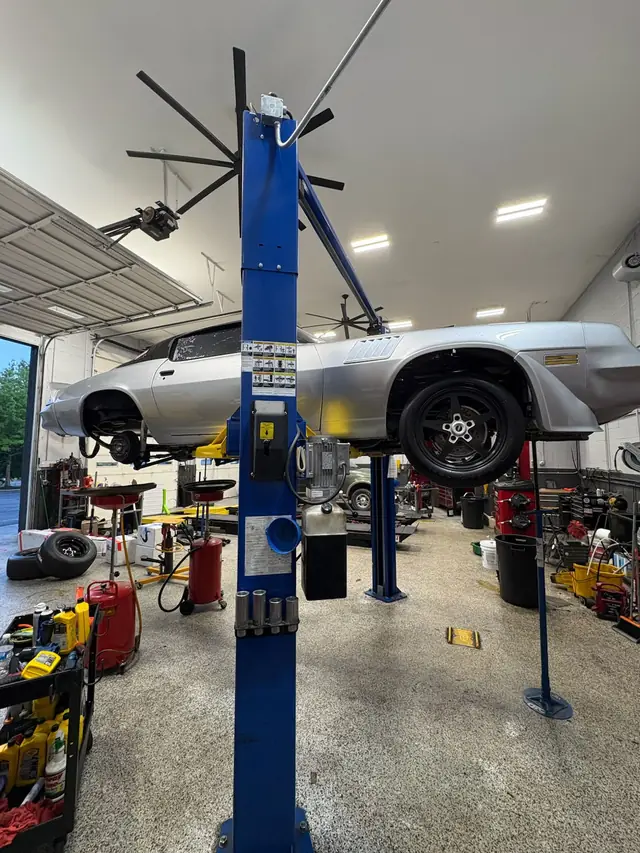
Buying a used car means buying someone else's history. The seller knows some of it, the paperwork shows a little more, and a test drive reveals a bit beyond that. A pre-purchase inspection is how you get the rest before your money changes hands. Here is what a good one should put in your hands, and what to do with it once you have it.
Start with a list you can actually read
A good inspection ends with something in writing, not a shrug and a thumbs up. One customer of Car Doctor+ wrote that the technician, Dennis, put together a detailed list with pictures of everything on his recently bought used Acura that needed attention, all neatly organized on a link sent straight to his email. That is the standard to hold any shop to. Photos matter because a note about cracked control arm bushings means very little to most of us, and a picture of the crack means a lot.
Before you book, ask what you will get back. A printed sheet, an email, photos, a phone call walking you through it? If the answer is that the shop will just tell you how it looks, keep shopping for a shop.
What the inspector should be looking at
The details change from car to car, but a thorough inspection puts the vehicle on a lift, because a lot of what matters sits underneath. Expect the write-up to cover areas like these:
- Brakes: pad and rotor condition, the state of the brake lines and hoses, and uneven wear that points to a sticking caliper.
- Suspension and steering: bushings, ball joints, tie rod ends, shocks or struts, and any looseness in the steering.
- Engine and transmission: leaks, belts and hoses, fluid level and condition, and how the transmission shifts.
- Exhaust and underbody: rust, patched or damaged pipes, loose heat shields.
- Tires: tread depth, mismatched brands or sizes, and wear patterns that hint at alignment trouble.
- Heating and cooling: whether the A/C blows cold and the heater blows hot.
- Warning lights and stored codes: a scan for trouble codes, plus a look at which dashboard lights come on and which stay off.
None of this is a guarantee. An inspection is a snapshot of one day, and it shows condition, not the future. But a snapshot taken by a trained eye with the car in the air beats a fresh coat of wax and a friendly seller every time.
Sort the findings into three piles
When the list comes back, resist the urge to read it as pass or fail. Almost every used car has something on it. What matters is which pile each item lands in.
- Safety now: brakes, steering, tires, anything that could leave you stranded or hurt on the road. These get fixed before you drive it home, or the deal does not happen.
- Soon: parts that still work but will want attention in the next several months, like an aging belt, a seeping gasket, or tires with one season left.
- Later or cosmetic: door dings, faded trim, a cracked dash. Annoying, not urgent.
Ask the technician to rank the list that way. A shop worth trusting will tell you what can wait, even when that means less work for them. Another Car Doctor+ customer wrote that a technician looked over her car, she expected a repair, and he told her there was no charge because it was perfectly fine. That kind of honesty is exactly what you want in the person looking at a car you are about to buy.
Turn the list into a negotiating tool
A written list with photos gives you something solid to bring to the seller. If the seller already knew about the worn brakes, fine. If not, you now have a specific, documented reason to ask them to fix it, ask for a lower price, or walk away.
Get repair estimates for the safety and soon items before you decide. Car Doctor+ promises same-business-day estimates, so you can know the real cost of the car before you commit instead of after. Add what the repairs will run to the asking price and see whether the car is still the deal it looked like on the lot.
Sometimes the best result an inspection can give you is the one that talks you out of the car. Signs of frame damage, flood exposure, a transmission that slips, or a pile of soon items that adds up to more than any discount you could win are all good reasons to say thank you and keep looking. Buying the wrong car costs far more than finding out about it in advance.
Questions to ask the seller and the shop
- Can I take the car to a shop of my choosing before I sign? A seller who says no is telling you something.
- Do you have service records? Receipts for brakes, belts and transmission service all help.
- Has the car been in an accident, or had body or frame work?
- What will the inspection report look like when I get it, and how fast?
- If the inspection finds something, can I get a written estimate for it the same day?
Where to start
If you are shopping around Locust Grove, Lake of the Woods, Fredericksburg, Spotsylvania or Orange County, call Car Doctor+ at (540) 972-7090 before you hand over a deposit and ask how a pre-purchase inspection is scheduled and what the write-up includes. The shop is at 4219 Germanna Highway in Locust Grove, open Monday through Friday from 8 AM to 5 PM and Saturday from 8 AM to 1 PM.
Car Doctor+, (540) 972-7090
Call (540) 972-7090More articles
How to Read a Repair Estimate Before You Say Yes
Parts, labor, and the questions that turn a sheet of numbers into a decision you feel good about.
Brake Noises and What Each One Usually Means
Your brakes talk before they fail. Here is how to understand what they are saying.